How to Build a Successful Beverage Brand
Content by Hannah Gale, Greyfel Designs LLC
The beverage aisle is a competitive battlefield where most new brands fail to secure long-term shelf space. What differentiates a brand that fades from one that becomes a household name? We spoke with the team behind AZ Lemonade Stand, who have scaled from a local food truck to a retail staple across the Southwest, to learn the essential lessons for building a successful beverage brand.
It Starts With Making Something Old Feel New Again
You don’t need a revolutionary idea to build a brand people love. You need a familiar idea, done exceptionally well. Co-Founder Kyle Hollenbeck says AZ Lemonade Stand was born almost by accident, out of necessity during a moment when nothing else was working.
“We started AZ Lemonade Stand during Covid when our Food Truck and Catering Business came to a screeching halt,” Kyle explains. “I was fortunate enough to have a great Business Partner, Chef Tom D’Ambrosio, who could make premium lemonade and put it in a mason jar. Sometimes it’s not about revolutionizing an industry, it’s just about making something that’s been around for a long time and making it better.”
That’s the first lesson for any founder in this category: lemonade isn’t new. Mason jars aren’t new. But putting them together with a chef-driven recipe and a creative team behind it? That’s how you turn a commodity into a brand.
The Signs a Beverage Brand Actually Has Legs
Plenty of new drinks get onto a shelf. Very few are purchased more than once. According to VP of Sales Robert Wallace, who’s helped launch and scale five beverage brands before AZ Lemonade Stand, the earliest real signal of success isn’t the placement itself, it’s what happens after.
“Signs of a successful brand: consumer pull through, consumer feedback, good or bad,” Robert says. Getting into a major retailer is hard enough on its own, but Kyle points out that the real proof came once the lemonade was already on the shelf. “It takes a lot to get into places like Fry’s or Bashas’ or Circle K, but to have the pull-through is very important,” he says, describing feedback from seasoned beverage reps who told him the sell-through rate simply wasn’t normal.
That distinction matters for anyone building a brand in this category. A distribution deal is an opportunity, not a victory lap. According to industry research from Imbibe’s guide to launching a new beverage, successful launches consistently combine strong retail execution with a product that earns repeat purchases, not just a first-time trial. Velocity, not just placement, is the real scoreboard.
Packaging Is The Book Cover. Flavor Is The Story That Keeps You Reading.
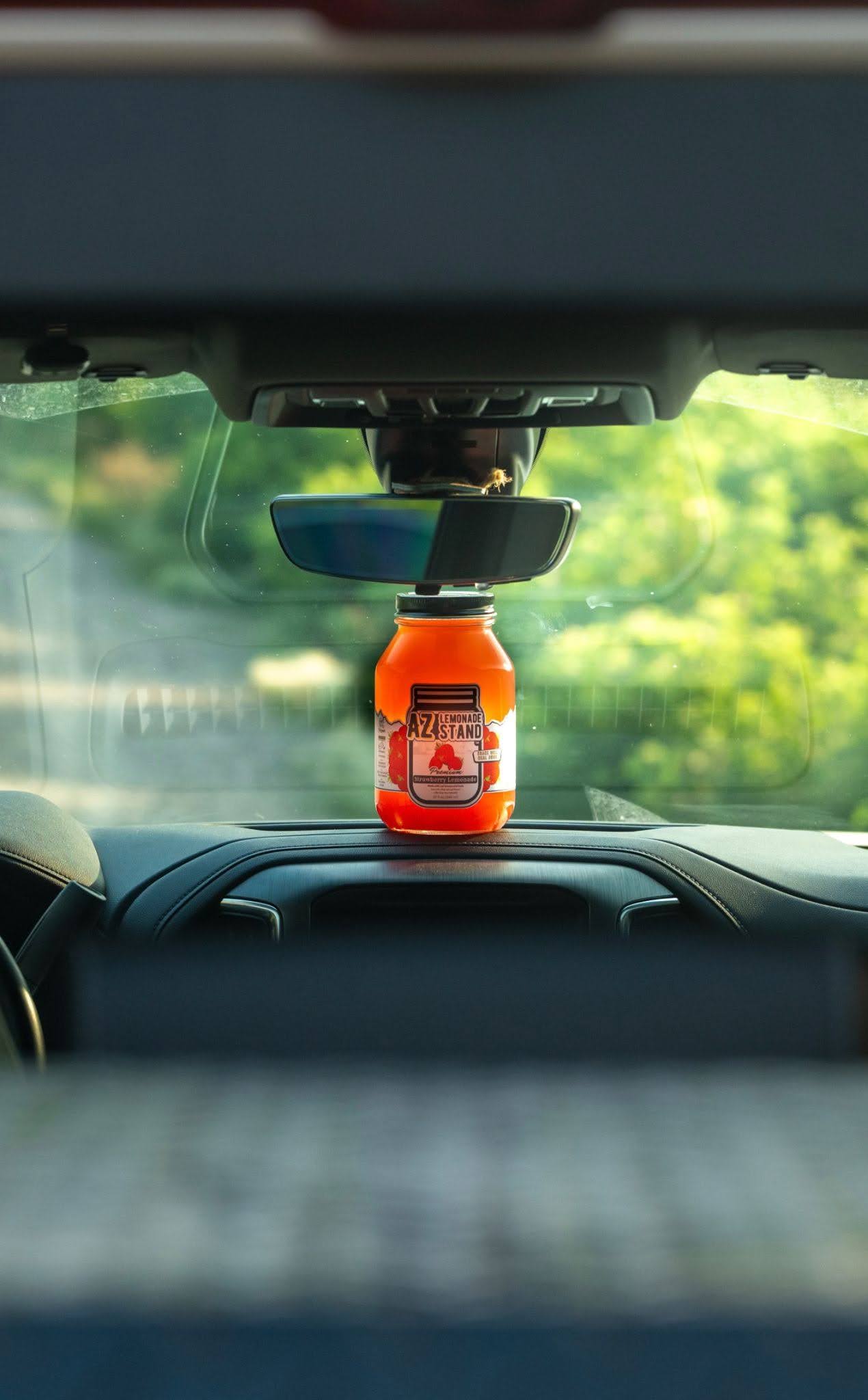
Photography by Joe Gagon, @twistedj_photo
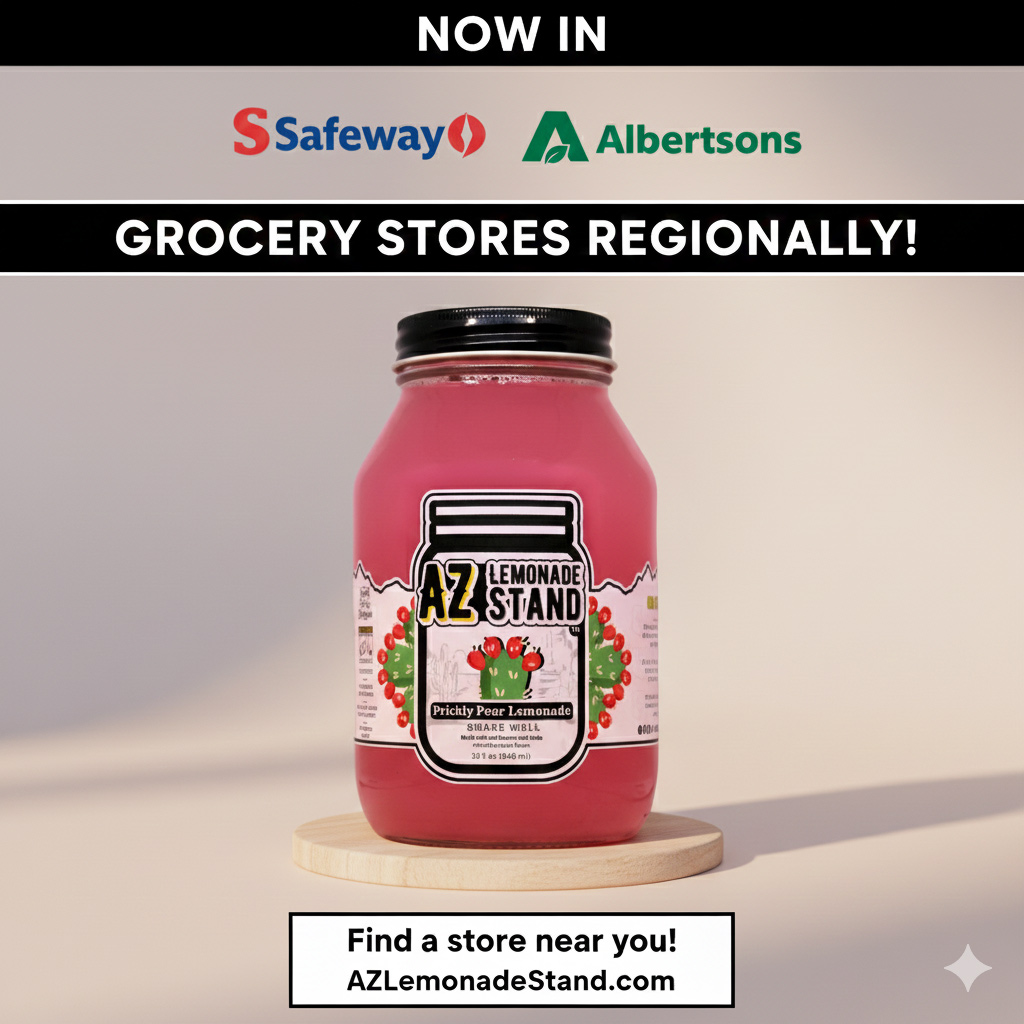
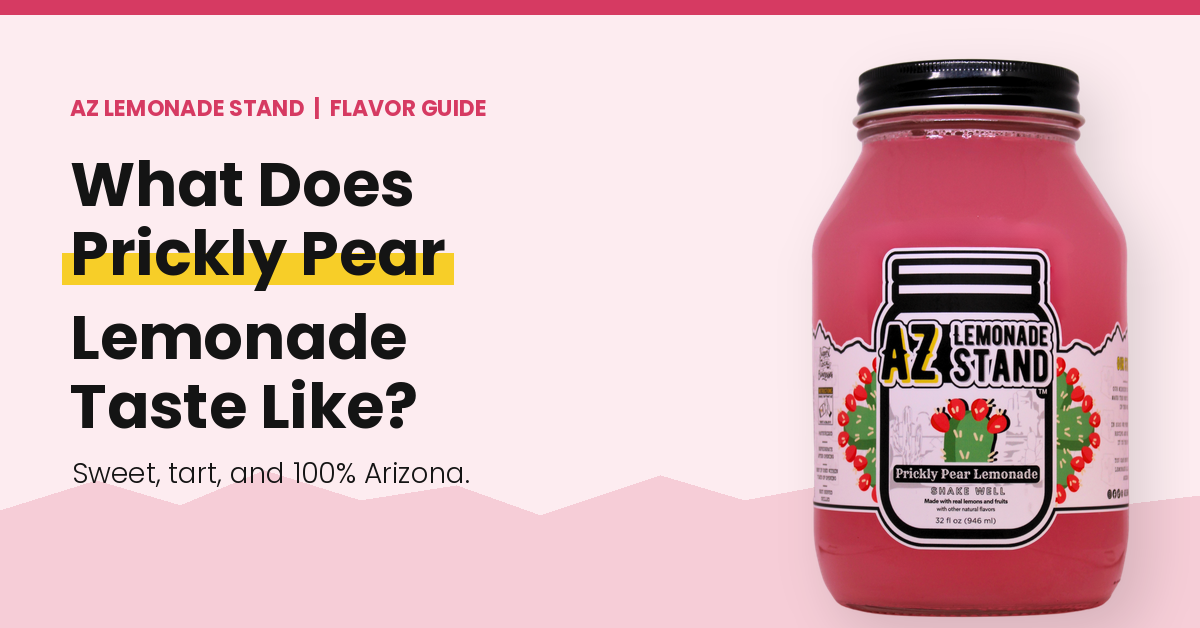
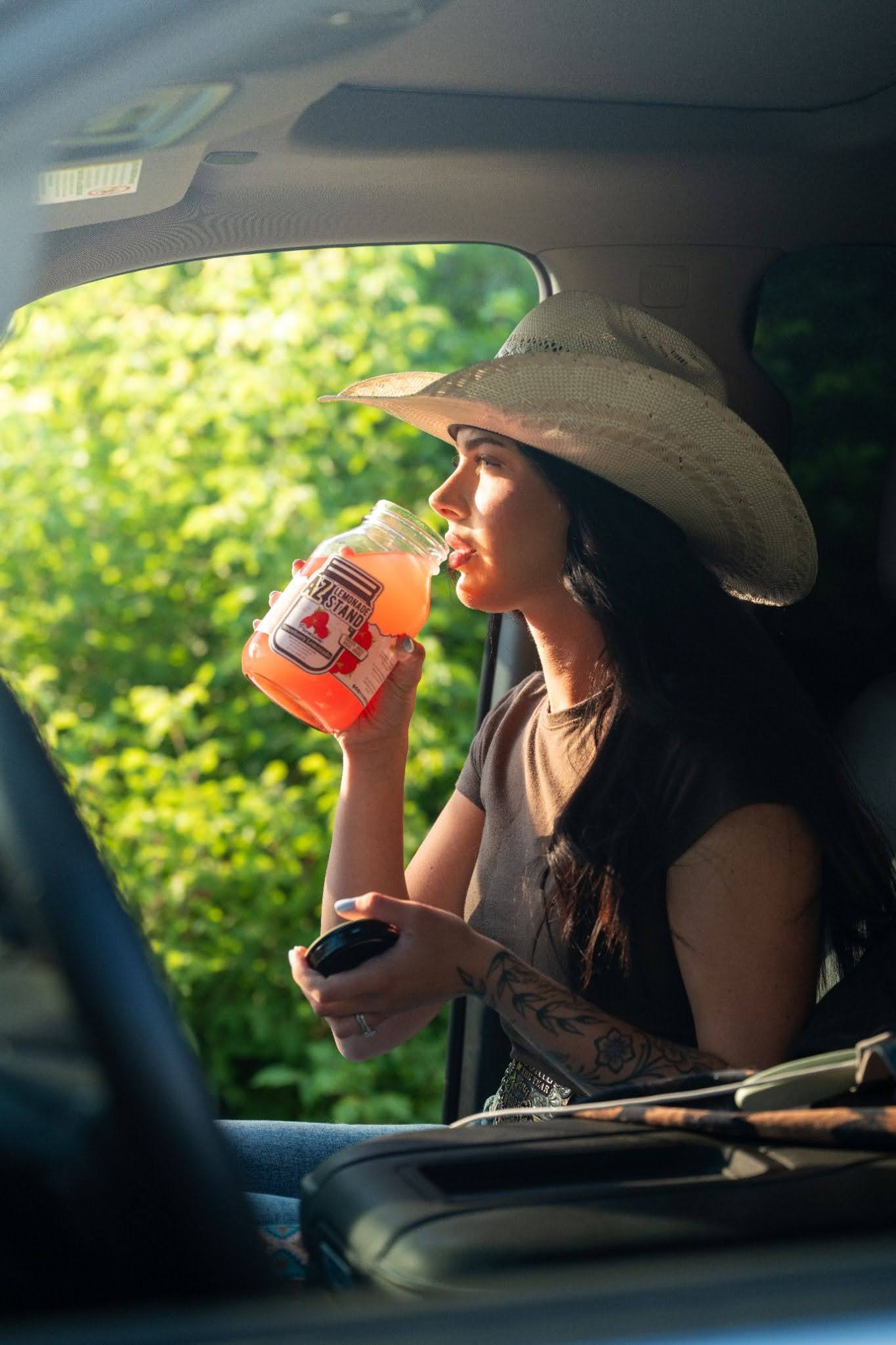
Ask anyone on our team what stops a shopper mid-aisle, and they’ll point to the jar before they mention a single flavor note. Creative and Marketing Director Brandon Johnson put it best: “Packaging is like a book cover, the flavor is the story that keeps you reading until the last page.” Our heavy glass mason jars get people to pick us up out of curiosity, but it’s the premium, nostalgic taste that turns them into weekly buyers.”
Robert emphasizes a clear priority: packaging must capture attention first, as our unique mason jar offers immediate value to the consumer. Then, the taste must deliver, as AZ Lemonade Stand relies on providing a premium experience to ensure customers return.
For any founder trying to build a beverage brand from scratch, that’s the formula in one sentence: win the three-second glance, then win the second purchase.
Building Loyalty That Lasts Longer Than the Trend
Trends move fast in the beverage industry. What doesn’t move fast, and what actually protects a brand long-term, is a loyal customer base. Kyle believes that’s the true dividing line between brands that fade and brands that last.
“You have to build not only a brand but a clientele that wants to support you and continue to try your innovations, and loyalty is everything,” he says. “When you have a beverage brand, you have to continue to keep adapting and innovating. You also don’t want to lose your core objective.”
Robert echoes this from the sales side, noting that the brands he’s seen succeed all share the same DNA: “People and brand, having the right people in the right position. A brand that consumers believed in and answered their beverage needs.”
Brandon takes it a step further, saying real traction shows up organically long before a brand ever pays for it. “Unprompted velocity and user-generated content. When customers are voluntarily posting our jars on Instagram without us paying them, and retailers are calling for early restocks because they sold through over a weekend, that’s real traction.”
Owning Your Home Turf Before You Chase New Markets
Arizona isn’t incidental to this brand, it’s the whole point. Kyle sees the state’s identity as a genuine competitive advantage. “We are very fortunate that lemonade is the official drink of Arizona, and when people think about lemonade they think about sunshine. Who has more sunshine than Arizona? It’s just like the huckleberry in Montana or green chilies in New Mexico. We plan on making lemonade synonymous with Arizona.”
Brandon says protecting that identity means resisting the urge to expand too quickly. “Outrunning their supply chain and diluting their home turf. Trying to conquer new states before you absolutely dominate your own backyard kills margins and focus. We made sure AZ Lemonade Stand owned the local market before expanding our footprint.” His advice for any brand eyeing regional or national growth, “Nailing down local loyalty. Don’t buy a regional or national ad campaign until you have a rabidly loyal core audience in your hometown that proves your product has long-term staying power.”
This mirrors what broader industry analysts are seeing heading into next year as well. According to Clarkston Consulting’s 2026 beverage industry trends report, regional authenticity and community-rooted branding continue to outperform generic, mass-market positioning as consumers increasingly favor brands with a clear sense of place.
The Mistakes That Sink New Beverage Brands
Every founder makes mistakes. The trick is not repeating them at scale. Robert’s biggest warning for new brands trying to break into retail is a simple one: “Try to be everything to everybody.” Trying to please every customer, every demographic, and every occasion at once usually means pleasing no one particularly well.
Kyle’s regret runs closer to operations. “If I could go back, I would’ve found a way to make it cost-effective and understand the margins,” he admits. “I also would have planned further ahead for future growth phases. It’s easy to reach a milestone and mistake a brief operational catch-up for a time to slow down, but losing momentum at that stage can be a major challenge.”
Advice for Anyone Building a Beverage Brand From the Ground Up
If there’s one throughline across all three interviews, it’s patience paired with relentless consistency. Robert’s advice to new brands chasing shelf space is refreshingly direct: “Be patient, start slow, and raise a lot of money.” Brandon adds that consistency of identity matters more than speed of expansion: “The zip code might change, but the promise inside the bottle never does.”
Building a beverage brand isn’t about a single big break. It’s founders who understand their margins, a sales team that knows the difference between placement and pull-through, and a creative team that protects the brand’s core identity while it grows.
Ready to Taste the Difference?
AZ Lemonade Stand didn’t set out to reinvent lemonade, we set out to make it better, and to make Arizona proud of it along the way. Experience our craft-brewed, hot-filled lemonade in its iconic mason jar today. Visit our shop page to find a store near you, or head to our contact page if you’re a retailer interested in bringing AZ Lemonade Stand to your shelves. Grab a jar, taste the sunshine, and see for yourself why customers keep coming back.